
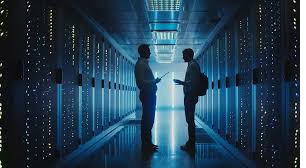
Data Center Architecture
Understanding the Digital Backbone Powering the Modern Internet
What is Data Center Architecture?
Data center architecture is the carefully planned design of physical and digital infrastructure that forms the foundation of modern computing. It’s where the world’s data lives, where services are delivered, and where computational power meets real-world demands.
Think of it as a symphony—every component must work in perfect harmony. From the moment data arrives at the loading dock to the moment it’s served to millions of users across the globe, data center architecture ensures reliability, performance, and security at scale.
💡 Key Insight: Modern data centers aren’t just warehouses of servers—they’re engineered ecosystems where redundancy, efficiency, and scalability are paramount.
Physical Infrastructure
The foundation of any data center begins with the physical building itself. This isn’t just about having a large warehouse—it’s about creating an environment where equipment can thrive 24/7 without interruption.
❄️ Cooling Systems
Advanced cooling maintains optimal temperatures, preventing server overheating and ensuring peak performance around the clock.
⚡ Power Distribution
Robust power infrastructure with backup generators ensures continuous operation even during grid failures or emergencies.
🔒 Security Systems
Multi-layered security with biometric access, surveillance, and physical barriers protect critical infrastructure from threats.
🚒 Fire Suppression
Sophisticated fire detection and suppression systems protect equipment without water damage or service interruption.
The Golden Rule: Data centers are built with redundancy in mind. If one cooling system fails, others take over. If one power line goes down, backup generators kick in. This philosophy of redundancy extends throughout every aspect of physical infrastructure.
The Computing Layer
This is where the actual work happens. Servers are organized strategically into racks and clusters, with each dedicated to specific functions like web services, databases, or storage management.
Server Racks
Servers stacked vertically in specialized racks to maximize space while maintaining optimal cooling and airflow patterns.
Virtualization
Multiple virtual machines run on single physical servers, dramatically improving resource efficiency and flexibility.
Load Balancing
Intelligent distribution of workloads across multiple servers ensures no single server becomes a performance bottleneck.
🎯 Modern Approach: Today’s data centers increasingly use containerization (Docker) and orchestration platforms (Kubernetes) to manage computing resources dynamically and efficiently.
The Storage Layer
Data is precious, and how it’s stored determines accessibility, speed, and reliability. Modern data centers employ multiple storage strategies to meet different performance and availability requirements.
Direct-Attached Storage
Storage directly connected to individual servers for high-speed access to frequently used data and applications.
Storage Area Networks
Shared storage infrastructure allowing multiple servers to access the same data simultaneously without conflicts.
Distributed Storage
Data spread across multiple locations and servers for redundancy and improved performance across regions.
Networking Infrastructure
The nervous system of the data center. Networking is what connects all components and enables communication with the outside world. It must be fast, reliable, and redundant.
Central routing hub
Regional aggregation
Regional aggregation
Server connection
Server connection
Server connection
Modern Evolution: The traditional three-tier network hierarchy is giving way to the spine-leaf topology. Spine switches connect to multiple leaf switches, creating a more scalable, efficient, and high-performance network that eliminates bottlenecks and improves overall system performance.
Management & Monitoring
A data center without visibility is a data center headed for disaster. Comprehensive monitoring and management systems track every important metric to ensure optimal performance and security.
Physical Monitoring
Temperature sensors, power usage tracking, and environmental controls in every rack ensure equipment stays healthy.
Logical Monitoring
Real-time tracking of network traffic, server health, CPU usage, and application performance metrics.
Backup & Recovery
Automated backup systems with disaster recovery protocols ensure data is never lost in any situation.
Security Auditing
Continuous logging and analysis of access patterns, threats, and vulnerabilities protects against breaches.
Architecture Design Patterns
Different organizations choose different architectural approaches based on their specific needs, budget, and scalability requirements. Here are the main patterns used today:
Tiered Architecture
Distinct layers for presentation, application logic, and data provide clean separation of concerns and easier maintenance.
Distributed Architecture
Services spread across multiple geographic locations for resilience, redundancy, and lower latency to end users.
Cloud-Native Design
Containerized microservices with orchestration platforms provide maximum flexibility and scalability.
🚀 The Future: Data center architecture continues to evolve with edge computing, AI-driven optimization, and sustainability becoming increasingly important factors in design decisions.